Introduction
Many people have experienced the frustration of scrolling through their phones, becoming increasingly angry about what they see online.
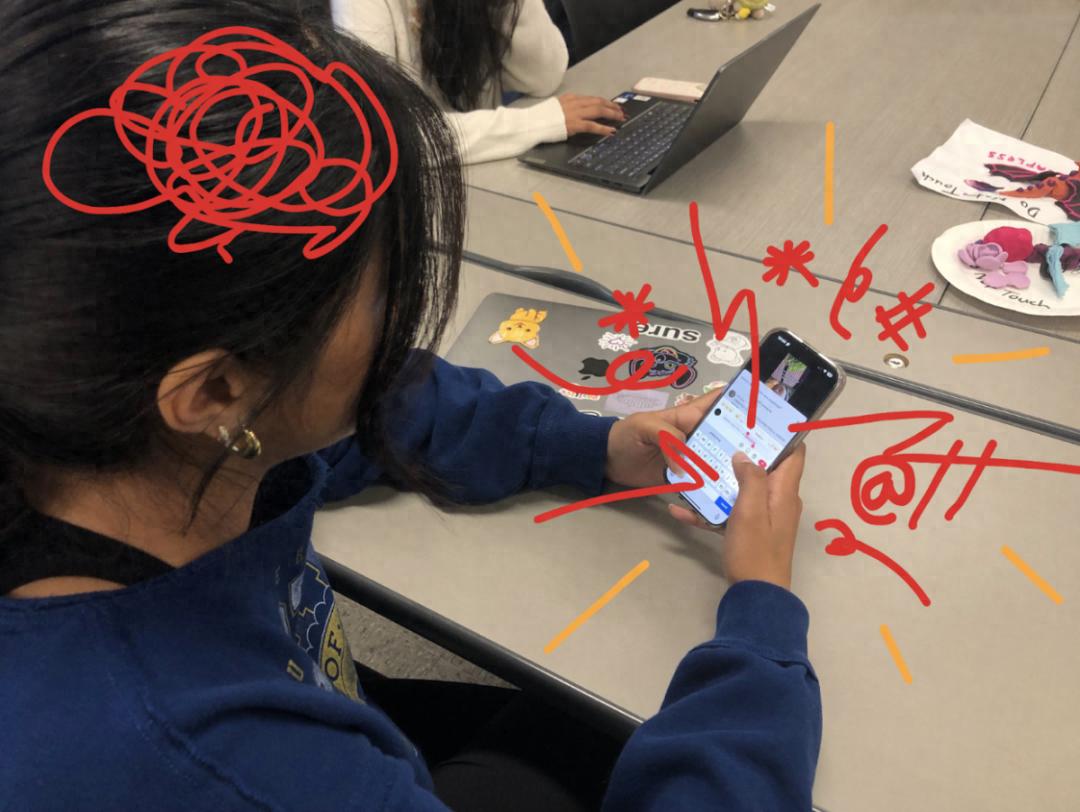
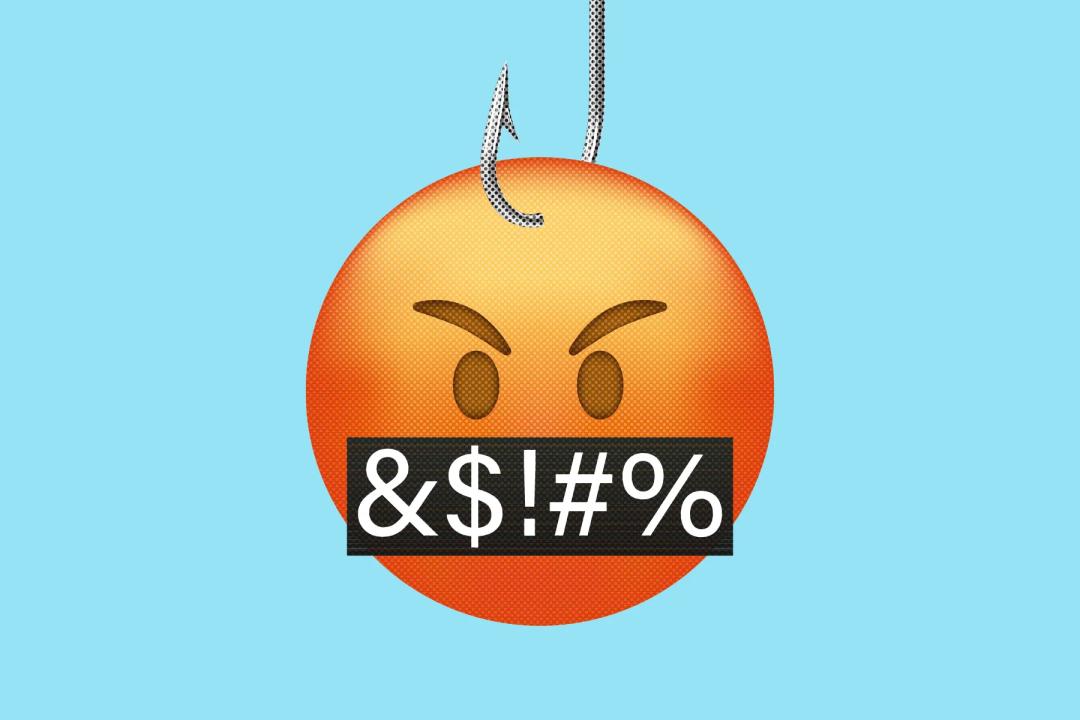
If you find yourself getting more irritated while using your phone, you may be a victim of “rage bait.”
What is Rage Bait?
The Oxford University Press recently announced that “Rage bait” will be included in the 2025 word of the year list, describing the growing anger prevalent on social media in our time.
Alongside “rage bait,” terms like “aura farming” and “biohack” were also selected. Aura farming is easily understood, while biohacking refers to individuals like the well-known “blood brother” who improve their physical and mental states through various means.
Among these three terms, “rage bait” stands out due to its broader audience and stronger perception.
The official definition of rage bait from the Oxford Dictionary describes it as content deliberately designed to provoke anger or outrage through frustrating, provocative, or offensive means.

It is similar to clickbait on the internet, which uses catchy headlines to attract readers to articles or videos. However, rage bait focuses more on inciting anger.
The term rage bait was first mentioned in 2012, when it became apparent that more online content was stirring or manipulating audience anger to convert that emotion into traffic.

The Amplification of Anger
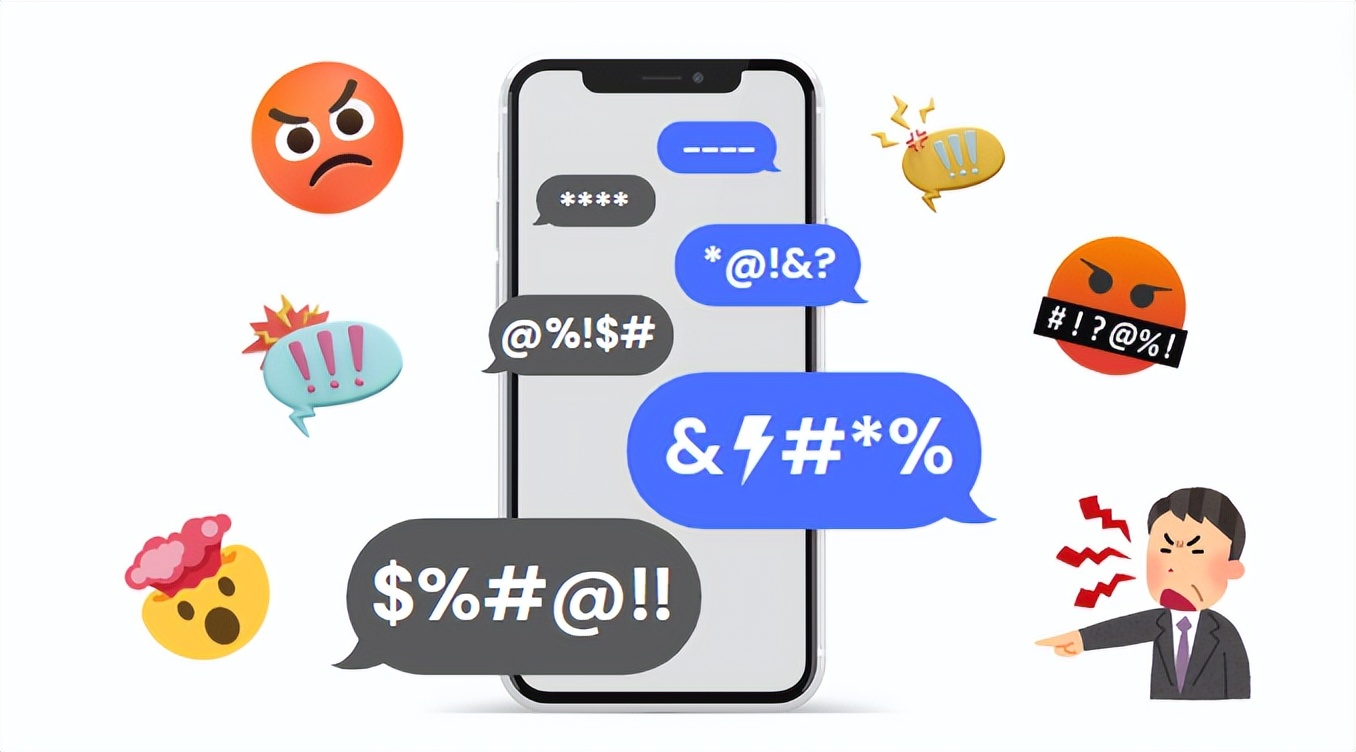
Today, the internet has transformed dramatically, and this phenomenon has intensified. Many widely shared online contents exhibit clear emotional manipulation tendencies.
Moreover, algorithms amplify people’s anger; content that provokes outrage tends to receive more comments and shares, further generating better data. This leads to a perception that such anger is becoming increasingly normal.

In the domestic context, this technique is also referred to as “emotional hooks,” where many articles and videos use this tactic to quickly immerse readers or viewers.
This change has also influenced foreign politics, with studies showing that politicians abroad increasingly use provocative statements to enhance their “rage marketing” efforts, attracting more followers online.
Notably, this strategy often combines half-truths and outright lies, further manipulating the audience in a landscape where truth is hard to discern.
Awareness of Manipulation
After the announcement of the word of the year, the president of Oxford University Press described:
“The existence and rapid increase in the use of the term rage bait indicate that we are becoming more aware of the various manipulation strategies we might fall into online.
Previously, the internet focused on capturing our attention by sparking curiosity for clicks, but now we see a significant shift towards hijacking and influencing our emotions and reactions.
Thus, rage bait aims to make people aware of what it means to be human in a technology-driven world and how the extreme nature of online culture affects ongoing dialogue and emotional development between individuals.”
Related Trends
One trend is that as online content and the rise of AI increasingly impact people’s real lives, many new words that have emerged in recent years are closely related to the “virtual world.”
For example, last year’s word of the year “brain rot” describes the mental or intellectual decline caused by aimlessly scrolling through low-quality short videos.
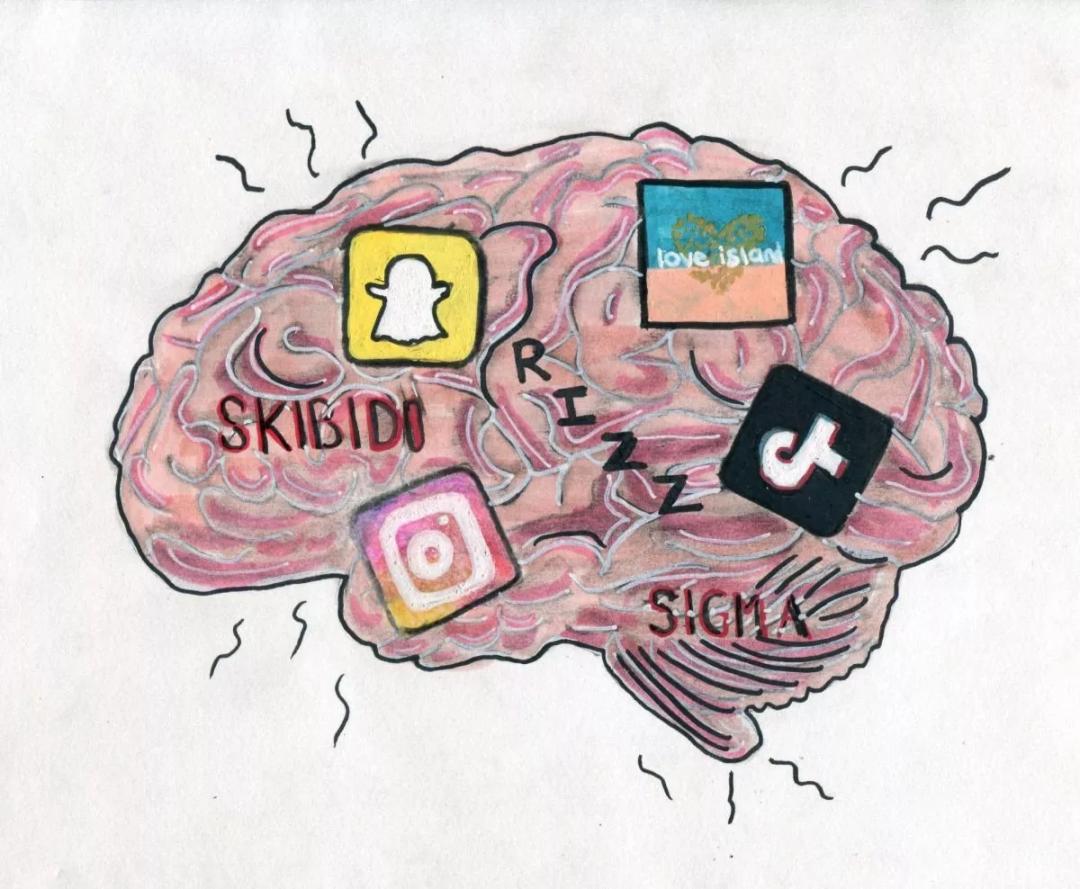
Brain rot may negatively affect attention span, focus, and mental health. However, many people today cannot escape the obsession with such quick and superficial content.

This year’s Cambridge word of the year, “Parasocial,” is also related to the internet and virtual content, describing a one-sided sense of intimacy.
Specifically, it refers to the strong emotional connections that fans and viewers develop with celebrities, internet personalities, virtual characters, or even artificial intelligence, despite the latter being unaware of their existence.

In the Chinese context, there is currently no fully corresponding term. If forced to describe it, it could include terms like paper love for virtual characters, dream partners for idols, or intimate relationships developed with AI.

Another example is Collins Dictionary’s word of the year “vibe coding,” which describes how programmers use descriptive language to create apps or websites with AI rather than traditional coding methods.
This term perfectly encapsulates how language evolves with technological advancements. As AI develops rapidly, conventional work and creative methods will be disrupted, and new trends are inevitable.

The evolution of annual vocabulary reflects changes in the times, and perhaps in the coming years, we will see more AI-related terms emerging.
Comments
Discussion is powered by Giscus (GitHub Discussions). Add
repo,repoID,category, andcategoryIDunder[params.comments.giscus]inhugo.tomlusing the values from the Giscus setup tool.